

Solar panel wiring is the network of DC cabling, connectors, isolators and AC wiring that links your solar panels to the inverter and switchboard so the system runs safely and actually produces power. Get it wrong and you end up with underperforming panels, tripped breakers, or a fire risk sitting on your roof. Get it right and the system quietly does its job for the next 25 years.
Clean Earth Solar handles solar panel wiring across Hawkesbury and greater Sydney since 2018. Every job, whether it’s wiring a brand new solar panel installation or rewiring a faulty string on an older system, is completed in-house by our SAA-accredited electricians. We also handle the DC wiring for solar battery installation and hybrid solar system installation projects, since the wiring has to be planned around the whole setup, not just the panels.
Panels are wired together in series strings using MC4 connectors, sized so the string voltage suits your inverter.

Double-insulated DC cable runs from the array to a rooftop and switchboard-side isolator, so the system can be shut down safely.
The DC cabling terminates at the inverter, which converts the DC output into usable AC power.
The inverter connects to a dedicated circuit breaker in your switchboard, feeding solar power into your home and any excess back to the grid.
Every wiring run is earthed to system requirements and tested before commissioning, confirming insulation resistance, polarity and correct isolator operation.
Because solar panels generate DC voltages as high as 600V to 1000V that don’t behave like the AC power running through the rest of your home. Solar DC wiring is covered by its own installation standard, AS/NZS 5033, which sits alongside the AS/NZS 3000 wiring rules and sets out how the array, cabling, isolation and earthing must be designed and installed.
Unlike an AC fault, a DC arc won’t always trip a breaker or blow a fuse on its own, it just keeps burning until the connection separates. That’s why cable sizing, connector quality and isolator placement matter so much on the DC side. Fire and Rescue NSW has reported solar-related fires increasing roughly five-fold over recent years, with poor-quality or incorrectly installed DC isolators and connections a recurring factor in the incidents investigated.
That’s the gap professional solar panel wiring closes: correctly rated cable, connectors torqued to spec, isolators mounted and sealed properly, and a system that’s tested rather than just switched on and hoped for.

If any of that sounds familiar, it’s worth booking a proper inspection rather than waiting it out. Our solar panel maintenance and repairs team can trace the fault and carry out the wiring repair in the same visit.
Pricing depends on whether the wiring is part of a new installation or a standalone repair, and how much roof access the job needs.
Included in the total cost of a solar panel installation, quoted after a site assessment of your roof and switchboard.
Typically $150 to $300 to identify the cause of a wiring or isolator fault.
Typically $150 to $400 for a loose connection, damaged connector or isolator replacement.
Typically $400 to $1,200 depending on cable run length and roof access, for jobs like a damaged panel string or degraded rooftop cabling.
We provide a fixed, written quote before any work begins. Keeping your solar panel wiring compliant also protects your eligibility for STCs under the Small-scale Renewable Energy Scheme, which requires accredited design and installation.
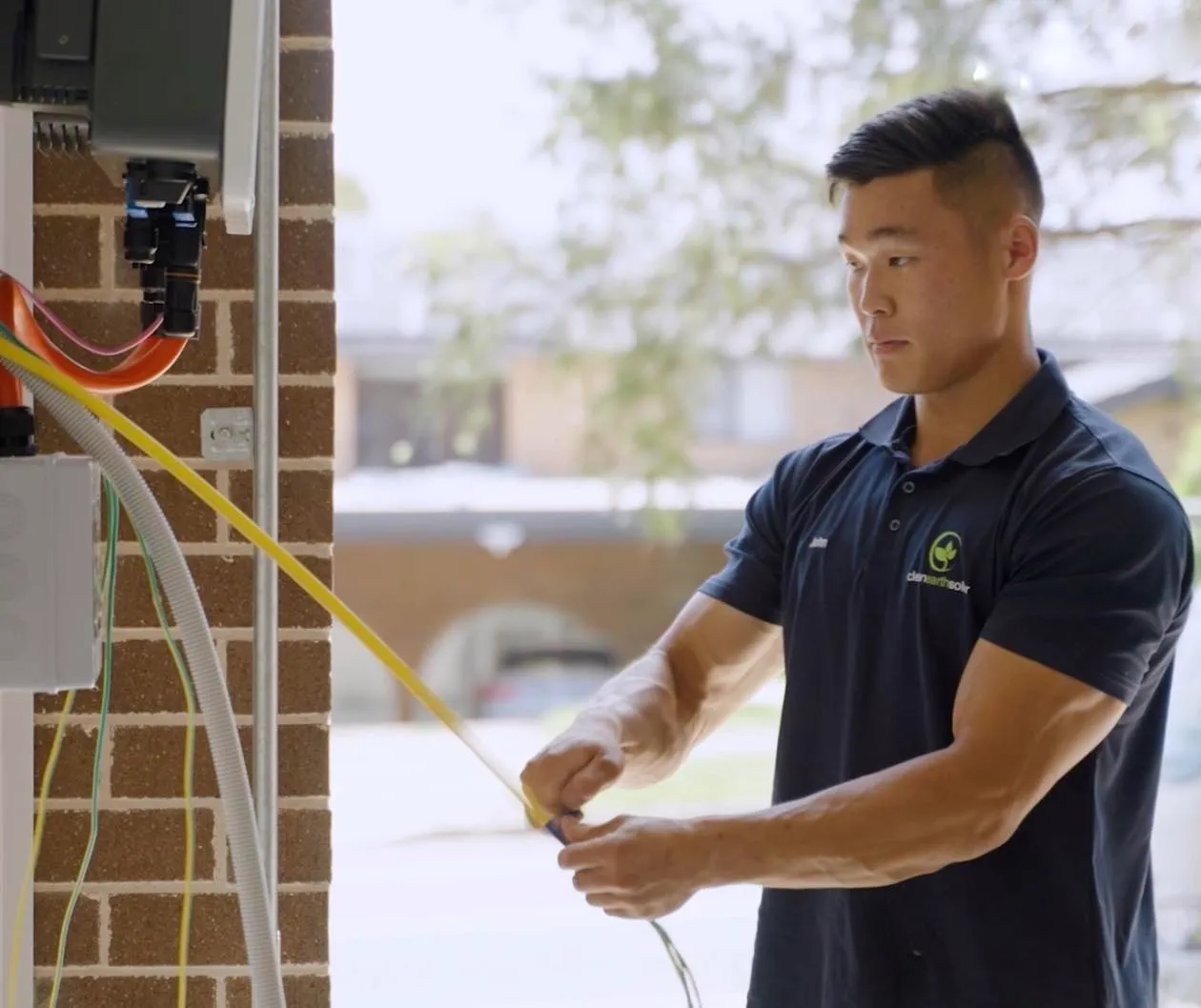
Solar system wiring actually covers two different electrical environments, sitting on either side of the inverter.
Both sides have to be designed and installed correctly for the system to be safe, efficient and compliant, which is why we treat solar panel wiring as its own discipline rather than an afterthought of the panel install.
Cable sizing matters more than most homeowners realise. Undersized DC cable run over a long roof span causes voltage drop, which quietly eats into the energy your panels are actually delivering to the inverter. Oversized or poorly routed cable, on the other hand, adds unnecessary cost and clutter on the roof. We calculate cable size against string length, ambient roof temperature and expected current before a single connector is crimped, rather than defaulting to whatever is in the van that day.
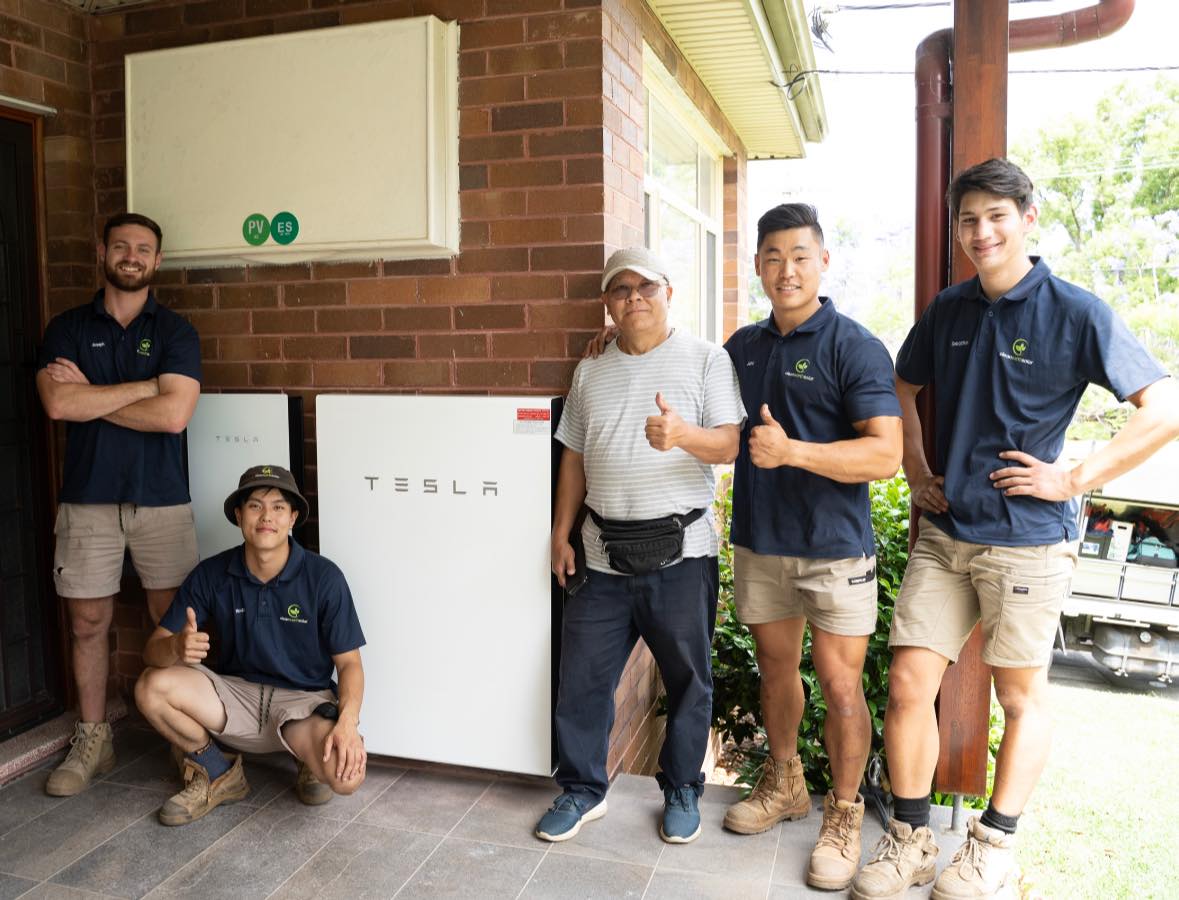
Whether you’re wiring a brand new solar panel installation, adding a solar battery installation to an existing system, or fixing a fault that’s been nagging at your power bills, Clean Earth Solar’s in-house electricians handle the whole job to Australian standards, on a fixed price quote.
Wiring a new residential system is usually completed within the standard one-day installation. A standalone rewire or fault repair often takes a few hours, depending on the extent of the damage.
No. Solar panel wiring involves DC voltages that can cause serious injury, and it must legally be carried out by a licensed electrician with current SAA accreditation.
Requirements have shifted as AS/NZS 5033 has been reviewed, and some newer inverters now include an integrated isolator. Our electricians confirm the correct setup for your specific inverter and installation.
Double-insulated, UV-rated DC cable is used between the panels and inverter, while standard TPS or circular AC cable connects the inverter to your switchboard.
Yes. Non-compliant wiring can void your manufacturer warranty and disqualify the system from STC eligibility, since accredited installation is a condition of the rebate.
Yes. We regularly inspect and repair wiring on systems we didn't originally install, provided the panels and inverter are still serviceable.
We recommend a professional check every few years, or sooner if you notice reduced output, tripped breakers, or any signs of wear around the isolators.
Yes. Solar panels are typically rated for 25 to 30 years, but poor wiring, corroded connectors or an undersized DC run can cause repeated overheating and stress that shortens the life of both the cabling and the panels well before that.