
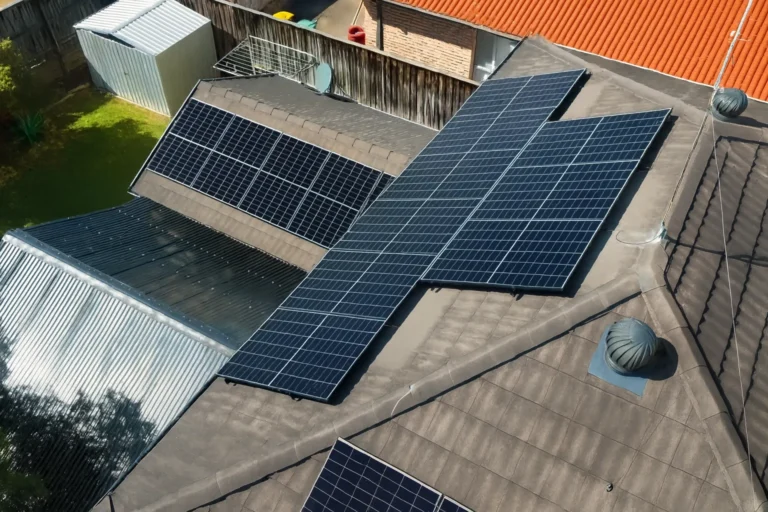
Thinking about switching to solar energy is exciting, but one of the first questions most homeowners ask is: “How long does it actually take to install solar panels?”
Solar installation is usually much faster and smoother than people expect. In most cases, the physical installation takes only one to three days. However, the complete process, from planning to switching the system on, can take a few weeks.
The exact timeline depends on factors like system size, approvals, roof condition, and weather.
The process begins with a consultation where the solar company:
This step ensures your solar system is designed for maximum efficiency.
After the assessment, a custom solar system is designed for your home. You’ll receive:
Once you approve the proposal, the project moves forward.
This step often takes the longest—but it doesn’t require any effort from you.
The solar company handles:
Approval timelines can vary depending on your location and local regulations.
This is the most exciting part!
Installers will:
For most residential homes, installation is completed within a single day.
After installation:
Once approved, your system is switched on—and you start generating clean energy!
Several factors can influence how long the process takes:
A professional solar provider will plan ahead to minimize delays.
Not at all. Most homeowners are surprised by how smooth the process is:
You can usually stay home while the work is being done.
If you’re considering solar, starting early helps:
The sooner you begin, the sooner you start saving on electricity bills.
At Clean Earth Solar, we make going solar simple, fast, and stress-free for homeowners across Hawkesbury and surrounding areas. From the first consultation to final activation, our expert team handles everything—so you can focus on enjoying clean, renewable energy.
If you’re ready to reduce your power bills, lower your carbon footprint, and invest in a sustainable future, Clean Earth Solar is here to help—every step of the way.
No. As long as installers have roof access and access to the electrical panel, you don’t need to stay home the entire time.
Solar panels can be installed on most roofs, including tile, metal, and asphalt. Special mounting systems are used depending on the roof material.
No. When installed correctly by professionals, solar panels protect your roof and do not cause damage.
Yes. Many systems are designed to allow future upgrades if your energy needs increase.